Owning a private aircraft is a dream for many. The freedom to fly wherever you want, whenever you want, is exhilarating. However, with this freedom comes a significant responsibility: ensuring your aircraft remains airworthy at all times. Continuous airworthiness is not just a regulatory requirement; it is essential for safety and peace of mind. In this post, we will explore effective solutions for private aircraft owners to maintain continuous airworthiness, ensuring that your flying experience is both enjoyable and safe.
Understanding Continuous Airworthiness
Continuous airworthiness refers to the ongoing process of ensuring that an aircraft is safe to fly. This involves regular inspections, maintenance, and adherence to safety regulations. The goal is to identify and address any issues before they become serious problems.
Private aircraft owners must understand that continuous airworthiness is not a one-time task. It is an ongoing commitment that requires diligence and attention to detail.
Regular maintenance checks, adherence to manufacturer guidelines, and compliance with aviation regulations are all part of this process.
The Importance of Regular Inspections
Regular inspections are a cornerstone of continuous airworthiness. These inspections can be categorized into several types:
Pre-flight Inspections: Conducted before each flight, these checks ensure that the aircraft is ready for takeoff. This includes checking fuel levels, control surfaces, and overall aircraft condition.
Routine Maintenance: Scheduled maintenance checks, such as oil changes and tire inspections, are essential for keeping the aircraft in top shape.
Annual Inspections: These comprehensive checks are required by aviation authorities and cover all aspects of the aircraft. They help identify any potential issues that may not be apparent during routine checks.
By adhering to a strict inspection schedule, private aircraft owners can catch problems early and avoid costly repairs down the line.
Utilizing Technology for Maintenance Tracking
In today's digital age, technology can play a significant role in maintaining continuous airworthiness. Various software solutions are available to help aircraft owners track maintenance schedules, inspections, and repairs.
These tools can provide reminders for upcoming maintenance tasks and store records of all work done on the aircraft.
Some popular options include:
Aircraft Maintenance Tracking Software: These programs allow owners to log maintenance activities, track compliance with regulations, and generate reports.
Mobile Apps: Many apps are designed specifically for pilots and aircraft owners, providing easy access to maintenance logs and checklists.
By leveraging technology, private aircraft owners can streamline their maintenance processes and ensure that nothing falls through the cracks.
Engaging Professional Services
While many aircraft owners are hands-on and enjoy performing maintenance themselves, it is often beneficial to engage professional services. Certified mechanics and maintenance facilities have the expertise and experience to handle complex issues that may arise.
When selecting a maintenance provider, consider the following:
Certifications: Ensure that the facility is certified by the relevant aviation authority.
Experience: Look for a provider with a proven track record in maintaining aircraft similar to yours.
Reputation: Read reviews and ask for recommendations from other aircraft owners.
By working with professionals, you can ensure that your aircraft receives the highest level of care and attention.
Keeping Up with Regulatory Changes
Aviation regulations are constantly evolving. As a private aircraft owner, it is crucial to stay informed about any changes that may affect your aircraft's airworthiness.
Regularly check for updates from aviation authorities and consider joining industry associations. These organizations often provide valuable resources and information about regulatory changes.
Staying informed will help you maintain compliance and ensure that your aircraft remains safe to fly.
The Role of Pilot Training
Continuous airworthiness is not solely about the aircraft itself; it also involves the pilot's skills and knowledge. Regular training and education are essential for pilots to stay current with best practices and safety protocols.
Consider the following training options:
Flight Reviews: Regular flight reviews with a certified instructor can help pilots maintain their skills and stay updated on regulations.
Safety Seminars: Many aviation organizations offer seminars on safety topics, including maintenance and airworthiness.
Online Courses: There are numerous online resources available for pilots to enhance their knowledge and skills.
By investing in pilot training, you can ensure that you are well-prepared to handle any situation that may arise during flight.
Building a Maintenance Team
For those who own multiple aircraft or operate a small fleet, building a dedicated maintenance team can be a wise investment. A team of skilled professionals can oversee all aspects of maintenance and ensure that each aircraft remains airworthy.
When building a maintenance team, consider the following roles:
Maintenance Manager: Responsible for overseeing all maintenance activities and ensuring compliance with regulations.
Aircraft Technicians: Skilled professionals who perform inspections, repairs, and routine maintenance.
Quality Assurance Personnel: Individuals who ensure that all work meets safety and quality standards.
Having a dedicated team can streamline maintenance processes and provide peace of mind for aircraft owners.
Emphasizing Preventive Maintenance
Preventive maintenance is a proactive approach to aircraft care. Instead of waiting for issues to arise, this strategy focuses on identifying and addressing potential problems before they become serious.
Some key aspects of preventive maintenance include:
Regular Inspections: As mentioned earlier, routine inspections are vital for catching issues early.
Scheduled Maintenance: Adhering to a maintenance schedule based on manufacturer recommendations can help prevent breakdowns.
Monitoring Performance: Keeping an eye on aircraft performance can help identify trends that may indicate underlying issues.
By emphasizing preventive maintenance, private aircraft owners can reduce the likelihood of unexpected repairs and ensure continuous airworthiness.
Creating a Maintenance Budget
Maintaining continuous airworthiness can be costly, but creating a maintenance budget can help manage expenses.
Consider the following steps when developing a budget:
Estimate Costs: Research typical maintenance costs for your aircraft type and create a budget based on these estimates.
Set Aside Funds: Allocate a portion of your budget for unexpected repairs or maintenance needs.
Review Regularly: Regularly review your budget and adjust as necessary based on actual expenses.
By planning ahead, you can ensure that you have the resources needed to keep your aircraft in top condition.
The Benefits of Continuous Airworthiness
Maintaining continuous airworthiness offers numerous benefits for private aircraft owners.
Some of the key advantages include:
Safety: The primary benefit is enhanced safety for you and your passengers. Regular maintenance and inspections help prevent accidents.
Cost Savings: By catching issues early, you can avoid costly repairs and downtime.
Increased Resale Value: A well-maintained aircraft retains its value better than one that has been neglected.
Peace of Mind: Knowing that your aircraft is safe and compliant allows you to enjoy your flying experience without worry.
Investing in continuous airworthiness is an investment in your safety and the longevity of your aircraft.
Final Thoughts on Continuous Airworthiness
Owning a private aircraft is a rewarding experience, but it comes with responsibilities. Continuous airworthiness is essential for ensuring that your aircraft remains safe and compliant.
By understanding the importance of regular inspections, utilizing technology, engaging professional services, and investing in pilot training, you can maintain the airworthiness of your aircraft.
Remember, continuous airworthiness is not just a regulatory requirement; it is a commitment to safety and excellence in aviation.
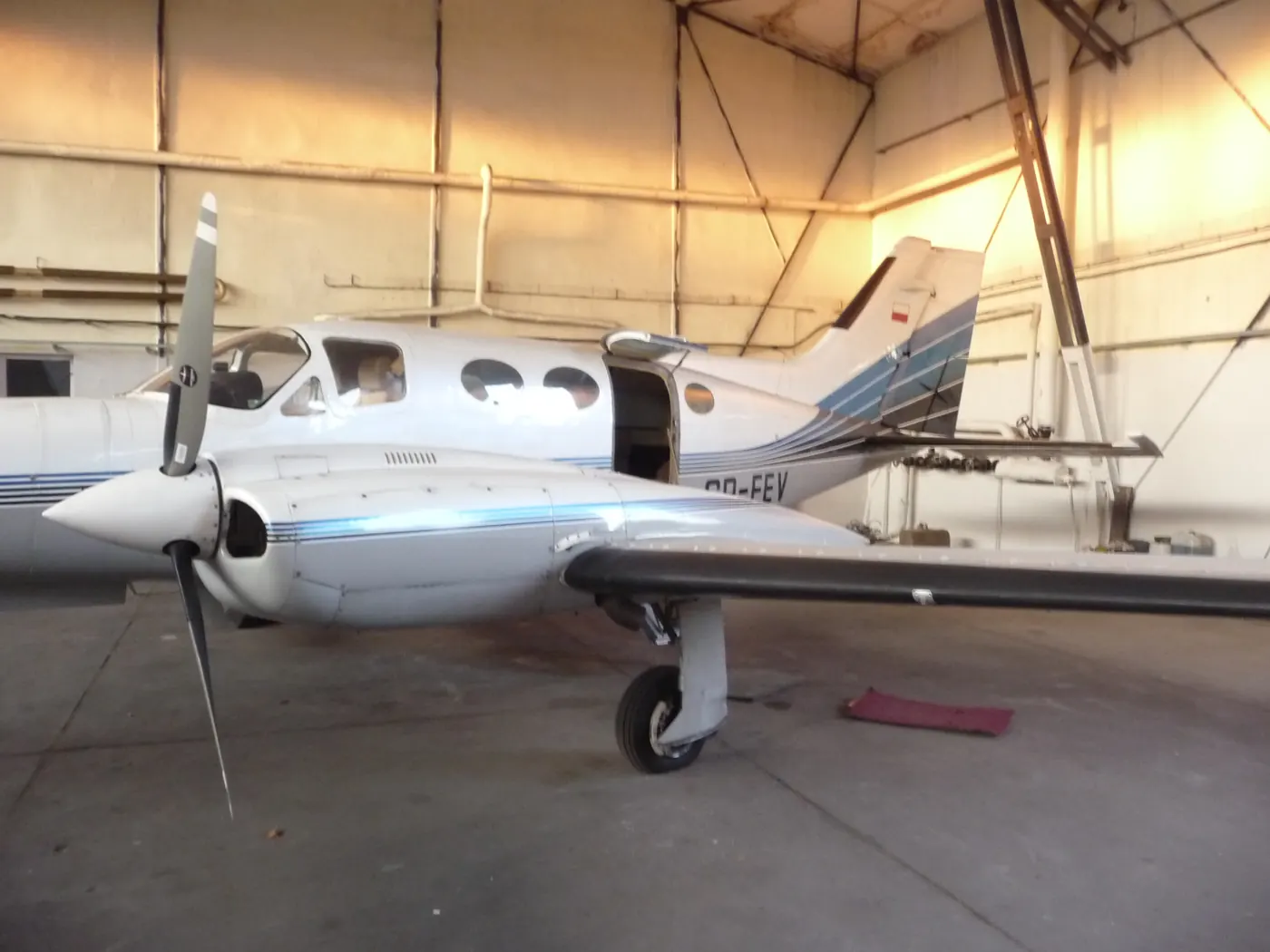 A technician performing routine maintenance on a private aircraft.
By prioritizing these solutions, you can enjoy the freedom of flight while ensuring that your aircraft is always ready for takeoff.